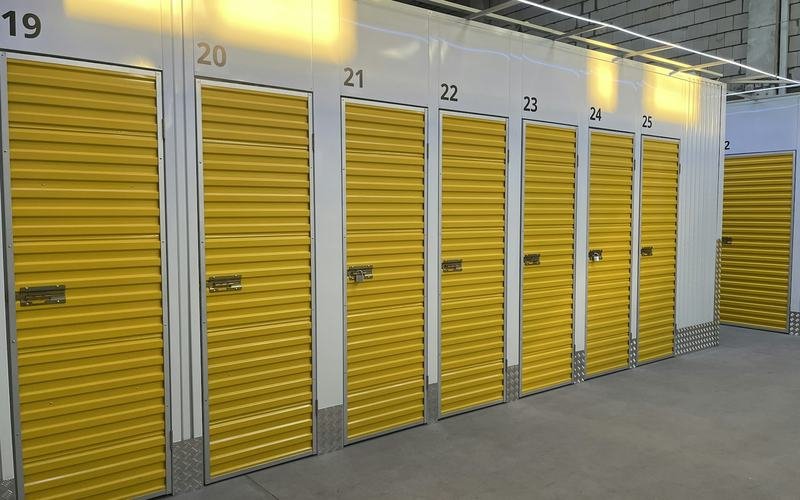
Profile: Midwest small-bay industrial sponsor, moving from deal-by-deal raising to an always-on pipeline
- Sponsor type: Industrial (small-bay / flex) operator
- Situation: Raises every 9–18 months; investors went quiet in between
- Offering path: Mostly 506(b), relationship-first
- Team: Two principals, outsourced fund admin
The challenge
- Each raise started almost from zero because nothing happened between deals.
- Industrial is less familiar to many passive investors than apartments, so first calls ran long.
- Under 506(b) the sponsor had to build real relationships before discussing specific offerings.
The approach
What Investors Growth Hack would build and run in a situation like this:
- Newsletter-led education. A monthly sponsor newsletter on industrial fundamentals, with no deal promotion under 506(b). There's an optional, clearly labeled awareness placement in The Capital Stack Brief. Our newsletters →
- Quarterly webinars. An educational webinar each quarter on how small-bay industrial works, with replays added to the nurture sequence. Investor Webinar Kit →
- Investor pipeline. Every subscriber and attendee tracked in one pipeline, tagged by interest and accreditation status. Always-on pipeline guide →
- LP qualification. Short discovery calls to learn each investor's goals before any offering conversation. LP Qualification Scorecard →
What changed
- The sponsor stayed visible between deals with a steady, educational cadence.
- Common industrial questions were answered in content, so calls focused on fit.
- When a deal came, there was already a list of warm, pre-qualified relationships.
Lessons and takeaways
- Consistency between raises is the cheapest pipeline there is.
- Teach the asset class. Unfamiliar sectors need more education, not more pitching.
- Under 506(b), build the relationship first, then talk offerings with people you know.
- Webinar replays keep working inside a nurture sequence long after the live event.
Related resources
Two newsletters. One for each side of the deal.
Two free weekly newsletters: The Capital Stack Brief for accredited investors and Investors Growth Hack for real estate …
Open →ToolEverything you need to run an investor webinar
Free investor webinar kit for real estate sponsors: run-of-show, promo emails, reminders, follow-up sequences and launch…
Open →GuideCommon LP Questions in Industrial Real Estate Raises (and How to Prep)
Frequent diligence questions and how IR can prepare answers
Open →ToolOne scorecard. Five minutes a week.
Free weekly LP pipeline scorecard template for real estate sponsors: 8 metrics, definitions, targets and a spreadsheet d…
Open →GuideReach accredited investors who came to learn.
Reach accredited investors and sponsors through The Capital Stack Brief: presenting sponsorships, sponsor spotlights, co…
Open →GuideFrom opt-in to booked call: the nurture playbook
A lead nurture playbook for sponsors: segment accredited investor leads by persona, a 30-day education sequence, webinar…
Open →Get the free Investor Pipeline Playbook, or tell us about your raise.
Prefer to talk it through? Tell us about your raise or book a 20-minute call.
Illustrative composite for educational purposes. Not a client testimonial or a guarantee of results. Not investment advice. Scenarios, figures and details are composites created to illustrate common situations. Nothing here is legal, tax, securities or investment advice, or an offer to sell or a solicitation of an offer to buy any security.